Understanding Utility Surveys and Their Importance
Utility surveys are vital components in the planning and execution of any construction project. They provide crucial information about the underground utilities that may be present in a project's vicinity, including water, gas, electricity, and telecommunications. Understanding the layout and type of utilities underground is essential to avoid potential hazards, reduce project delays, and ensure compliance with local regulations. When exploring options, Utility Surveyors Surrey can offer comprehensive insights into the specifics of utility mapping and surveying, tailored to meet the needs of your project.
What is a Utility Survey?
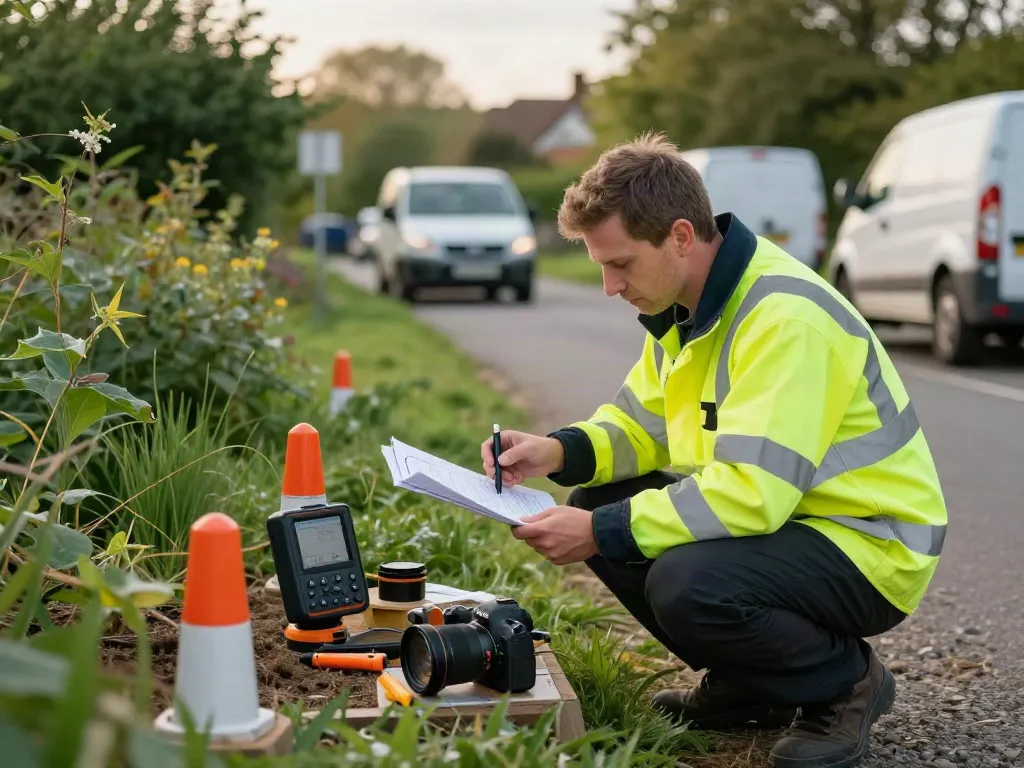
A utility survey is a systematic process of identifying and mapping the underground utilities in a specific location. The objective of these surveys is to pinpoint the location and depth of various utility lines, such as electrical cables, water pipes, gas lines, and drainage systems. This is typically achieved through a combination of techniques, including ground penetrating radar (GPR), electromagnetic induction, and manual inspection methods. Utility surveys are essential prior to any excavation work to mitigate risks associated with accidental utility strikes, which can lead to severe injuries, project delays, and legal consequences.
The Role of Utility Surveyors Surrey in Construction
Utility surveyors play a critical role in the construction industry, especially in areas like Surrey where urban development is prevalent. Their expertise helps construction teams understand the complexities of subsurface conditions before they break ground. By conducting thorough utility surveys, these professionals provide detailed maps and reports that guide contractors in planning their projects, ensuring they work safely and efficiently. Utility surveyors in Surrey are well-versed in local regulations and standards, ensuring that surveys comply with existing guidelines and best practices.
Common Misconceptions about Utility Surveys
Despite the clear benefits of utility surveys, several misconceptions persist. One common misunderstanding is that utility surveys are only necessary for large-scale projects. In reality, even small residential projects can benefit significantly from understanding underground utility layouts. Another misconception is that utility surveys are always expensive and time-consuming; however, advancements in technology have made these surveys more efficient and accessible. Many utility surveyors offer rapid response services, allowing projects to proceed without undue delays.
Key Risks Associated with Utility Surveys
Potential Overlooked Dangers in Utility Mapping
One of the primary risks associated with utility surveys is the potential for overlooked utilities. Incomplete surveys or reliance on outdated information can result in severe consequences for construction projects. For instance, failing to identify a buried gas line can lead to catastrophic incidents, including explosions or hazardous gas leaks. Therefore, it is crucial for utility surveyors to employ the latest technologies and methodologies to ensure all utilities are accurately mapped.
Impact of Inaccurate Data on Projects
Utilising inaccurate data from utility surveys can have a domino effect on a construction project. It can lead to significant delays, increased costs, and even legal implications. If a contractor unintentionally damages an underground utility line due to inaccurate survey data, they may face repair costs, fines, and liability claims. Furthermore, it can result in project halts while new surveys are conducted, leading to lost time and resources.
Legal Implications of Neglecting Utility Surveys
Neglecting to conduct a thorough utility survey can have serious legal implications for construction companies. In many jurisdictions, the law mandates that contractors take necessary precautions to identify underground utilities before commencing work. Failure to adhere to these regulations can result in legal action against the contractor, including fines or lawsuits from utility companies or affected parties. Additionally, contractors may find themselves liable for damages caused by unintentional utility strikes.
Best Practices for Utility Surveyors
Utilising Advanced Technology for Accurate Results
To achieve reliable results, utility surveyors must leverage advanced technologies. The integration of ground penetrating radar (GPR), electromagnetic locating, and 3D modelling techniques has revolutionised utility surveys. These technologies provide clearer insights into the depth and type of underground utilities, facilitating more accurate mapping. Utility surveyors should stay updated with technological advancements to enhance the precision and efficiency of their surveys.
Importance of Compliance with PAS128 Standards
Compliance with the PAS128 standard is critical for utility surveyors in Surrey. PAS128 provides a specification for the identification and mapping of underground utilities, outlining best practices for data collection and reporting. Following these standards not only ensures the accuracy of survey data but also protects the interests of clients and stakeholders by ensuring that surveys meet industry benchmarks. Regular audits and evaluations can help utility surveyors adhere to these standards.
Regular Training and Development for Surveying Staff
The surveying industry is continually evolving, and so too are the techniques and technologies used in utility surveys. Providing regular training and professional development opportunities for surveying staff is essential to maintain high standards of service. Utility surveyors should engage in continued learning and certification courses to keep up to date with the latest methodologies, regulations, and software tools applicable to their field.
Case Studies: Lessons Learned from Utility Surveys
Successful Projects and Surveying Techniques
Examining successful utility survey projects can provide valuable insights into best practices. For instance, a recent project in Surrey involved the extensive mapping of utilities for a new residential development. By employing a combination of GPR and electromagnetic detection, the utility surveyor was able to provide accurate data that allowed construction to proceed without unexpected utility strikes. This proactive approach not only saved time but also enhanced safety on the site.
Real-World Examples of Survey Failures
Conversely, there have been notable failures due to inadequate utility surveys. A construction site in Surrey experienced significant delays and costs after accidentally damaging a major fibre-optic line. The team had relied on outdated survey data, which did not reflect recent utility installations. The incident highlighted the importance of up-to-date surveys and thorough planning to avoid similar pitfalls in the future.
How Effective Planning Mitigates Risks
Effective planning is fundamental to mitigating risks associated with utility surveys. Engaging with experienced utility surveyors early in the project timeline can help identify potential hazards and refine project plans accordingly. Additionally, thorough communication among stakeholders, including engineers, contractors, and utility providers, can enhance the flow of information and reduce the likelihood of errors during the construction phase.
Future Trends in Utility Surveying for 2026
Innovations in Ground Penetrating Radar Technologies
As we move towards 2026, innovations in GPR technology are expected to continue shaping the utility surveying landscape. New developments are likely to enhance the resolution and accuracy of underground mapping, allowing surveyors to detect even smaller utilities with greater precision. This could significantly reduce the risks associated with excavation and underground construction.
Environmental Considerations in Utility Surveys
Environmental considerations are becoming increasingly important in utility surveying. There is a growing emphasis on minimising disturbance to surrounding ecosystems during surveys. Eco-friendly surveying methods that reduce the carbon footprint and protect natural habitats are likely to gain traction, influencing how utility surveys are conducted in the future.
Projected Changes in Regulations and Standards
In line with technological advancements and environmental awareness, regulatory bodies may introduce new guidelines affecting utility surveying practices. Utility surveyors will need to stay vigilant and adapt to these changes to ensure compliance and maintain their competitive edge. Regular training and updates on regulatory shifts will be critical in preparing for these upcoming changes.
What is a utility survey?
A utility survey is a process aimed at identifying and mapping underground utilities in a specified area. Its primary purpose is to ensure safety during construction by revealing the locations of various utility lines.
How much is a surveyor's fee?
Surveyor fees can vary widely based on the complexity of the survey, the size of the project, and the region. On average, surveyors may charge anywhere from £300 to £2000 per project.
What are two main types of surveyors?
The two main types of surveyors are quantity surveyors, who focus on the cost management and contracts in construction, and land surveyors, who measure and map the land.
Will surveying be replaced by AI?
While advancements in artificial intelligence may enhance the efficiency of surveying processes, human oversight and expertise will remain invaluable. AI can assist in data analysis and pattern recognition but cannot replace the nuanced judgment of skilled surveyors.
How to choose the right utility surveyor?
Choosing the right utility surveyor involves assessing their experience, qualifications, and adherence to industry standards. It’s also beneficial to request case studies or references from previous clients to gauge their reliability and professionalism.